
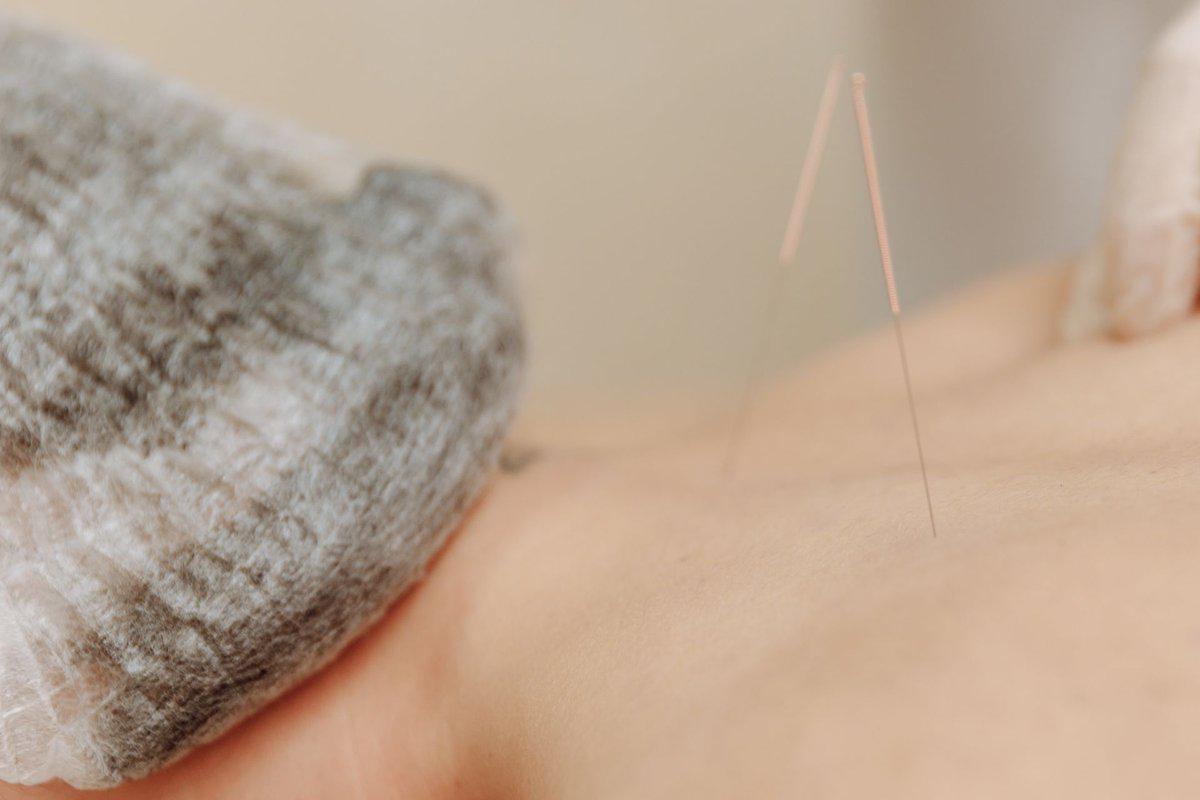
The idea of healing by inserting needles into the body may sound counterintuitive to Western ears. Yet acupuncture has been practiced in China for over two thousand years and is now used in hospitals and clinics worldwide. How does it work, and why does modern science increasingly take it seriously?
The Theory: Qi and Meridians #
In Traditional Chinese Medicine, health is the smooth flow of qi — life energy — through a network of channels called meridians. These meridians connect the internal organs to specific points on the surface of the body. When qi is blocked, stagnant, or depleted, illness results. Acupuncture restores the flow by stimulating precisely located points along the meridians — over 360 of them — with hair-thin needles.
Each point has a specific function. The point known as Hegu (LI4), located in the webbing between thumb and forefinger, is used for headaches and facial pain. Zusanli (ST36), below the knee, is one of the most powerful points for digestive health and overall vitality. To the uninitiated, these connections seem arbitrary. To the acupuncturist, they are as logical as a subway map.
The Science: What the Research Shows #
Skeptics once dismissed acupuncture as placebo. But decades of research have produced compelling evidence. fMRI studies show that needling specific points activates corresponding areas of the brain. Acupuncture triggers the release of endorphins — the body’s natural painkillers — and modulates the nervous system’s pain pathways.
In 2012, a landmark meta-analysis published in the Archives of Internal Medicine reviewed nearly 18,000 patients across 29 studies and concluded that acupuncture is effective for chronic pain — and that the effect is not merely placebo. The World Health Organization recognizes acupuncture as effective for over 30 conditions, including migraines, knee pain, and chemotherapy-induced nausea.
What to Expect #
An acupuncture session is surprisingly gentle. The needles are as thin as a strand of hair — a dozen can fit inside a standard hypodermic needle. Insertion is typically painless, though a slight tingling or warmth may be felt as the qi responds. Patients often report a deep sense of relaxation — some fall asleep during treatment. The goal is not just symptom relief but a restoration of balance that the body itself recognizes and maintains.