
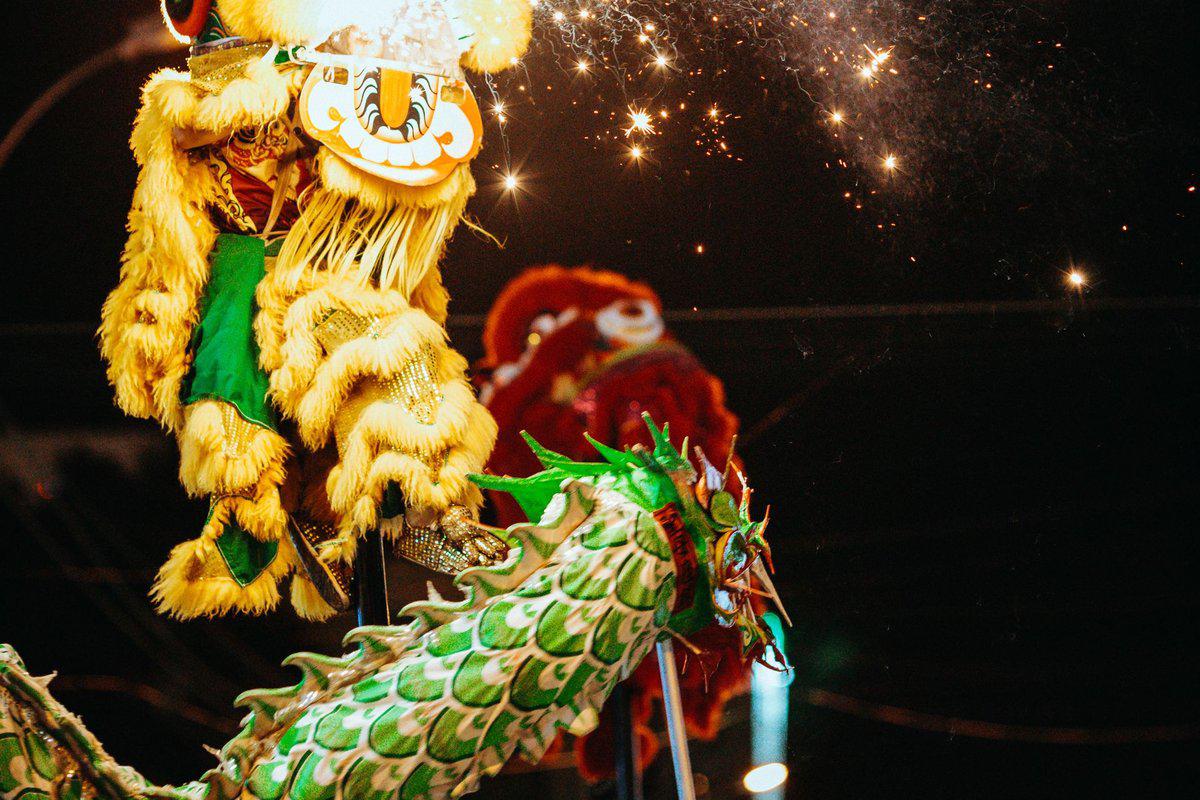
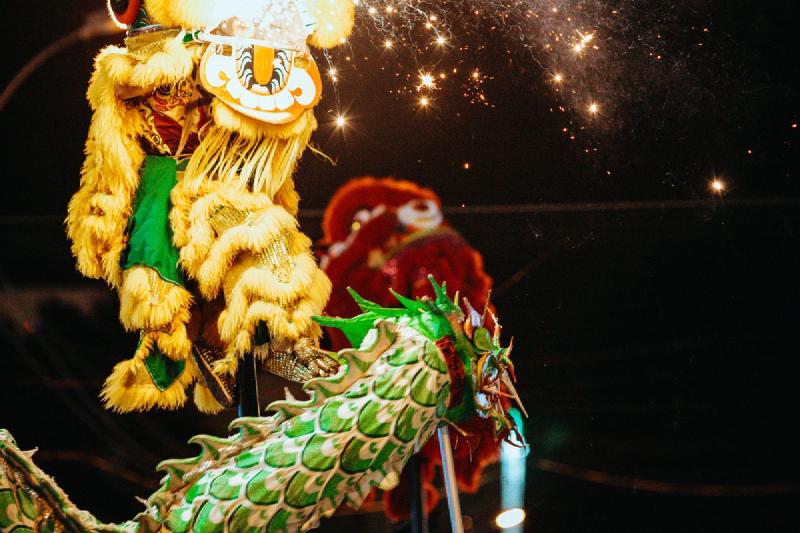
The Spring Festival (春节, Chunjie) — also known as Chinese New Year — is the most important celebration in the Chinese calendar. It marks the beginning of the lunar new year and is the world’s largest annual human migration, with hundreds of millions traveling home to reunite with their families.
The Lunar Calendar #
Chinese New Year falls on the second new moon after the winter solstice, typically between late January and mid-February. Each year is associated with one of the twelve zodiac animals — Rat, Ox, Tiger, Rabbit, Dragon, Snake, Horse, Goat, Monkey, Rooster, Dog, and Pig — cycling in a 12-year rotation, further nuanced by the five elements.
Preparations and Customs #
The celebration spans 15 days, culminating in the Lantern Festival. Key traditions include:
- Spring Cleaning — Homes are thoroughly cleaned before New Year’s Day to sweep away bad luck and make room for good fortune.
- Red Decorations — Doors and windows are adorned with red couplets (春联, chunlian), paper-cuts, and the character 福 (fu, fortune) hung upside down — a pun, since “upside down” (倒, dao) sounds like “arrive” (到, dao).
- Family Reunion Dinner — The most important meal of the year. Families gather for a feast that includes fish (鱼, yu, a homophone for “surplus”), dumplings (shaped like ancient gold ingots), and nian gao (年糕, glutinous rice cake, symbolizing rising prosperity).
- Red Envelopes — Hong bao (红包), red envelopes containing money, are given by married couples to children and unmarried adults. The amount is always an even number (odd numbers are for funerals) and ideally ends in 8, the luckiest digit.
The Nian Legend #
The origins of many New Year customs trace back to the legend of Nian (年), a fearsome beast that would emerge at year’s end to devour crops, livestock, and people. Villagers discovered that Nian feared three things: the color red, fire, and loud noises. Thus began the traditions of red decorations, firecrackers, and staying up late on New Year’s Eve — to keep the beast at bay.
The World’s Largest Migration #
Chunyun (春运), the 40-day travel rush surrounding the Spring Festival, is the largest human migration on Earth. In a typical year, over three billion passenger journeys are made as urban workers return to their rural hometowns. Train tickets sell out within seconds, highways become parking lots, and airports operate at maximum capacity. The journey may be grueling, but the destination — home — makes it all worthwhile.