
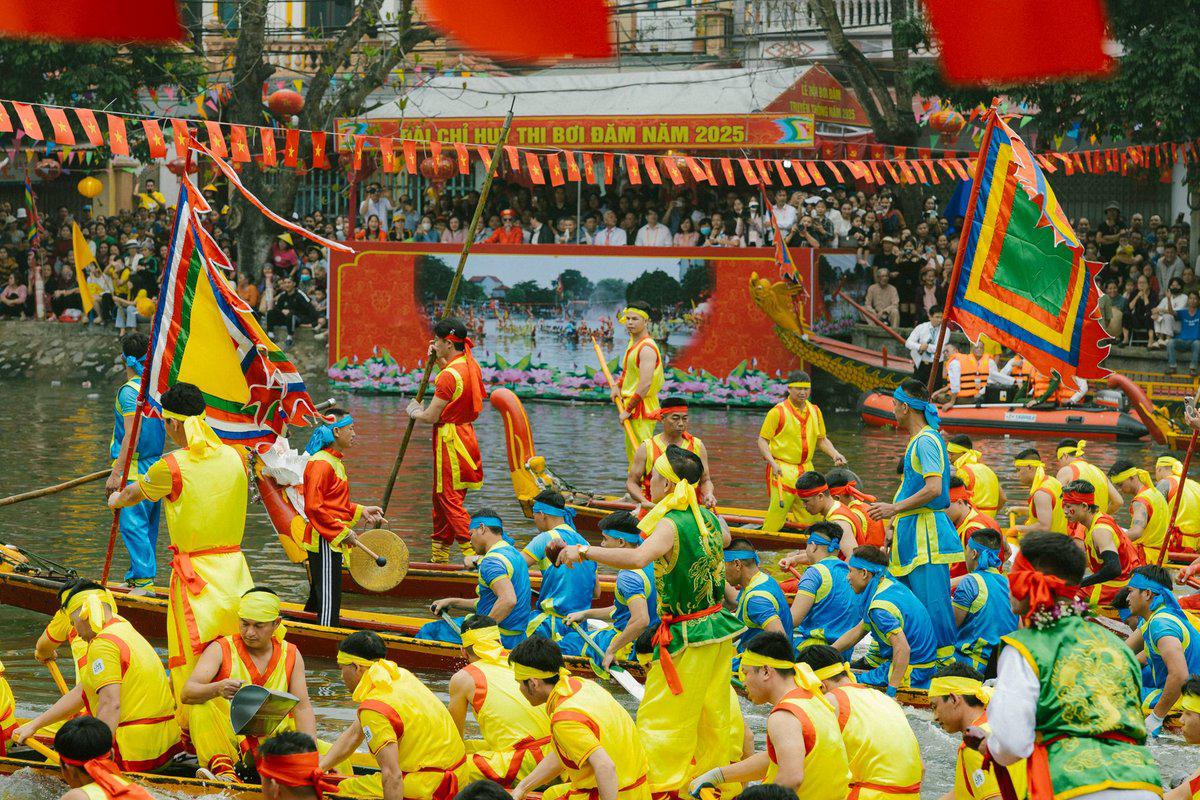
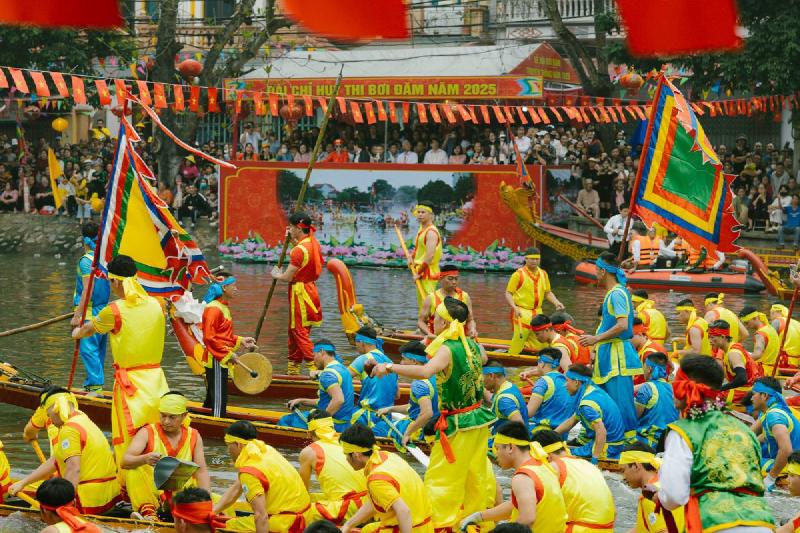
On the fifth day of the fifth lunar month, rivers across China and beyond erupt with the thunder of drums and the splash of paddles. Dragon boats — long, narrow vessels adorned with fierce dragon heads — race at breakneck speed, propelled by teams of twenty or more paddlers moving as one. This is the Dragon Boat Festival (Duanwu Jie), one of China’s oldest and most dramatic celebrations.
The Poet Who Became a Festival #
The festival commemorates Qu Yuan (340–278 BCE), a nobleman and poet of the ancient state of Chu. Qu Yuan was a loyal minister who advised his king against allying with the rising power of Qin. When the king ignored his counsel and allied with Qin anyway, Qu Yuan was exiled. He wandered the countryside writing some of the most beautiful poetry in the Chinese language — verses of loyalty, despair, and unrequited love for his homeland.
In 278 BCE, when Qin forces finally conquered the Chu capital, Qu Yuan waded into the Miluo River holding a heavy stone and drowned himself. The local people, who had come to love him, raced out in their boats to try to save him — or at least recover his body. They beat drums to scare away fish and threw rice wrapped in leaves into the water so the fish would eat the rice instead of the poet.
Two thousand years later, we still race dragon boats and eat zongzi.
Zongzi: The Festival’s Soul Food #
Zongzi are pyramid-shaped parcels of glutinous rice wrapped in bamboo or reed leaves. They come in countless regional varieties: northern versions are sweet, filled with red bean paste or jujubes; southern versions are savory, packed with pork belly, salted egg yolk, mushrooms, and chestnuts.
Making zongzi is a family ritual — the leaves must be soaked, the rice washed, the fillings prepared, and each parcel wrapped tightly with string. A well-wrapped zongzi is judged by its shape, its tightness, and the perfect balance of rice to filling. A poorly wrapped one bursts during boiling.
A Living Tradition #
Today, dragon boat racing has become an international sport with competitions in over fifty countries. The festival was recognized by UNESCO as intangible cultural heritage in 2009. But at its heart, it remains what it has always been: the story of a poet who loved his country so much he could not bear to see it fall — and a people who loved him enough to race out onto a river two millennia ago, and have never stopped.