
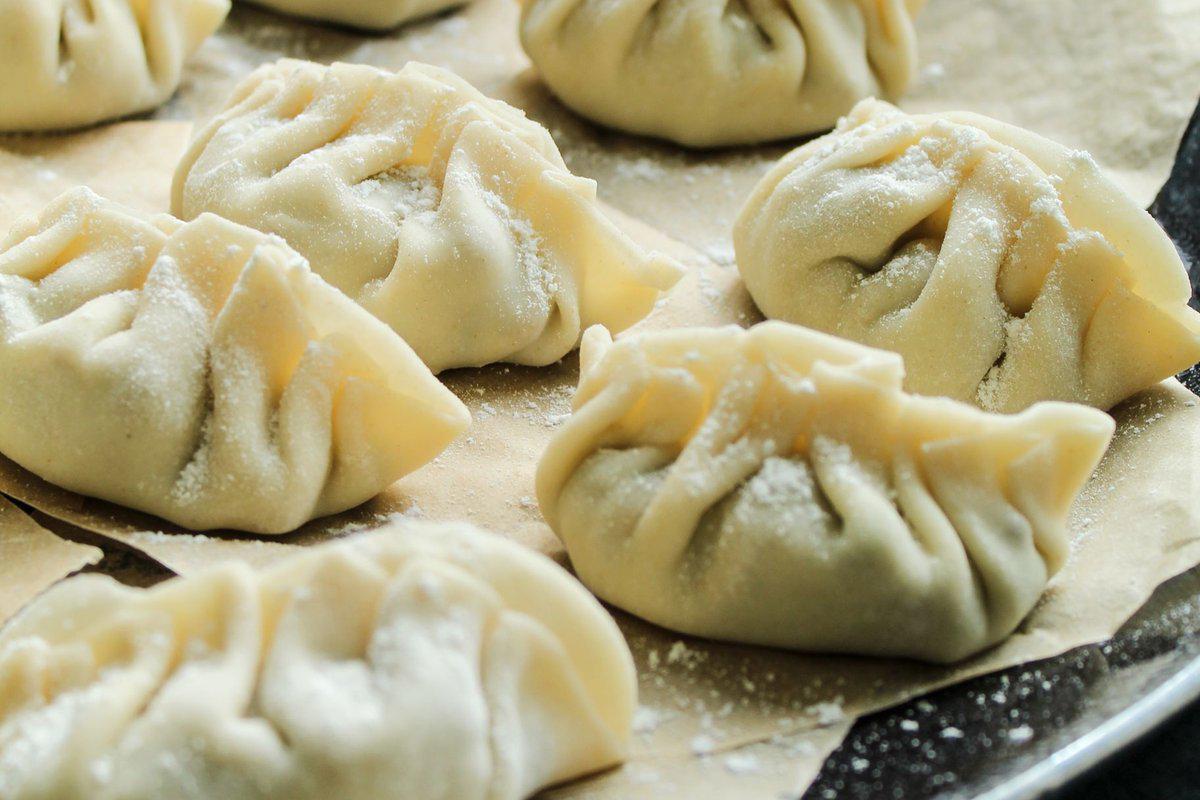
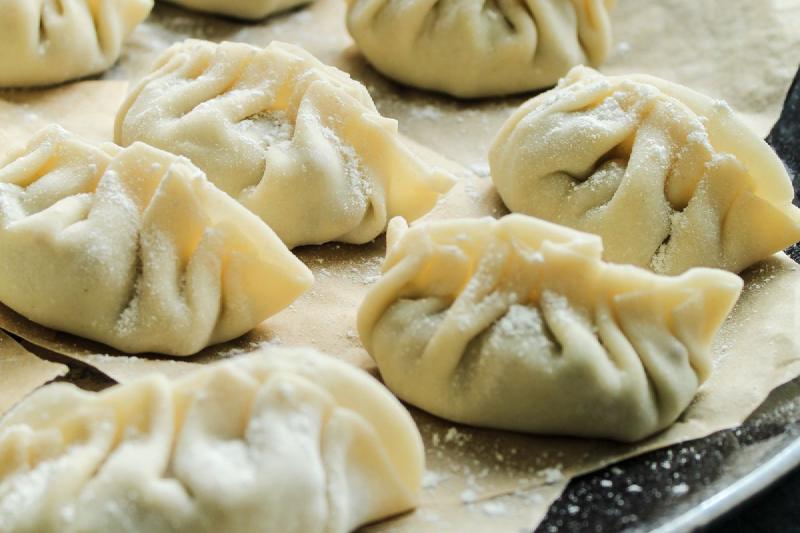
The Chinese dumpling — or jiaozi (饺子) — is one of the world’s most ancient and beloved foods. For over 1,800 years, Chinese families have gathered around tables to fold dough around fillings, turning a simple combination of flour, meat, and vegetables into an act of love, luck, and togetherness.
A Bite of History #
Jiaozi trace their origins to the Eastern Han Dynasty (25–220 CE), when the physician Zhang Zhongjing created them as a medicinal food. He wrapped mutton, herbs, and chili in dough to warm the body during winter — the shape resembling ears, which he believed would prevent frostbite. From this medicinal beginning, jiaozi evolved into a cultural institution.
By the Tang and Song dynasties, dumplings had spread across China, with each region developing its own variations in shape, filling, and cooking method. Today, no Chinese New Year’s Eve dinner is complete without them — their shape resembles the ancient gold ingot (元宝, yuanbao), symbolizing wealth and prosperity for the year ahead.
Regional Varieties #
- Northern-style (boiled, 水饺) — The classic. Wheat dough, usually filled with pork and cabbage or chive, boiled and served with vinegar, soy sauce, and chili oil.
- Guangdong-style (steamed, 蒸饺) — Thinner, translucent wrappers. Often filled with shrimp and bamboo shoots. Dim sum culture.
- Shanghai-style (pan-fried, 锅贴 / 煎饺) — Crispy bottoms, tender tops. Shengjian bao and guotie are the stars.
- Sichuan-style (in chili oil, 钟水饺 / 红油抄手) — Swimming in a fragrant, numbing chili oil sauce. Intensely flavorful.
The Ritual of Making Dumplings #
Making dumplings at home is a social event. The process — mixing the filling, rolling the wrappers, folding each dumpling by hand — is designed to be shared. Family members gather around the table, talking and laughing as their hands work. A coin is sometimes hidden in one dumpling; whoever finds it is blessed with good fortune.
The folding itself is an art. From the simple half-moon to elaborate pleated crescents, each shape signals the skill of the maker and the occasion being celebrated. A poorly folded dumpling will burst during cooking — a lesson in the value of patience and care.
Dumplings and the Chinese New Year #
During Chinese New Year, dumplings take on special meaning. The word jiao (饺) sounds like jiao (交), meaning “exchange” or “transition” — appropriate for the turning of the year. Families eat dumplings at midnight, believing the transition from the old year to the new will bring fresh fortune. The more dumplings you eat, the more prosperity you welcome.