
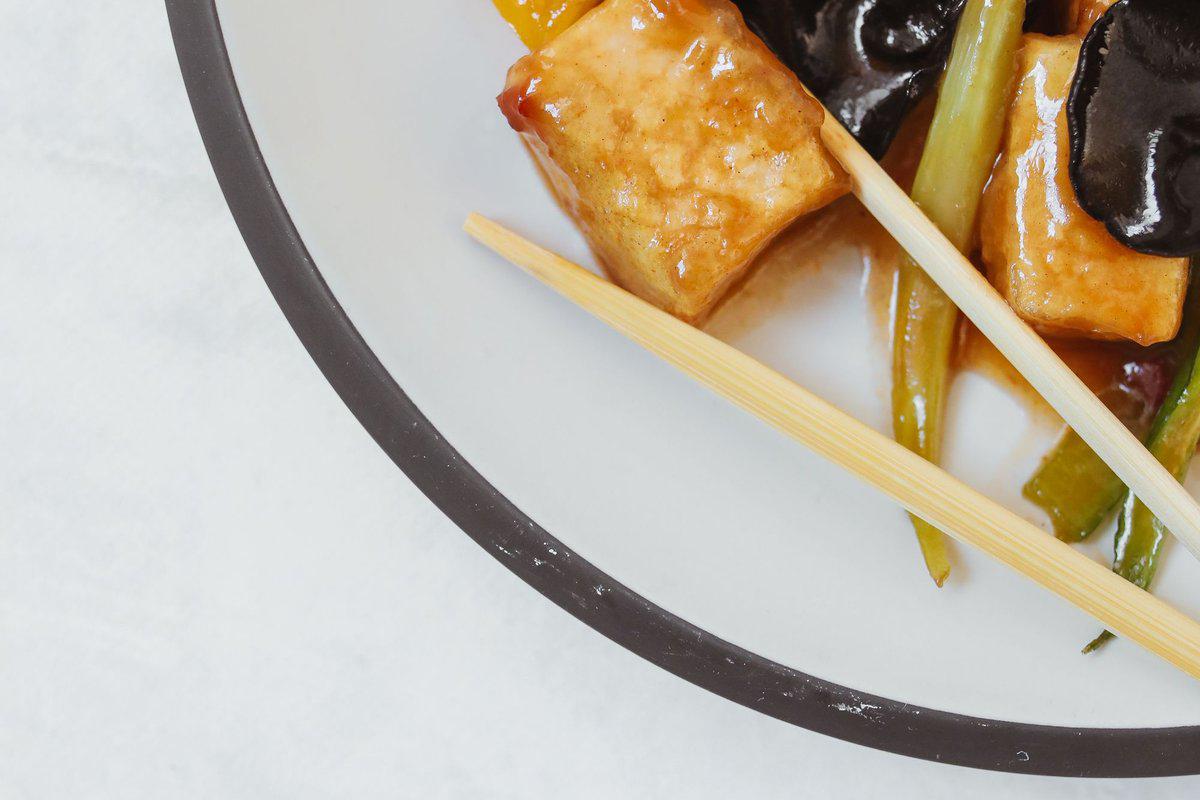
They are probably the most widely used eating utensils on Earth, employed daily by over 1.5 billion people across East Asia. Yet chopsticks (kuaizi) are rarely understood as anything more than an exotic alternative to the fork. In Chinese culture, they are far more — a repository of philosophy, etiquette, and three thousand years of social history.
The Philosophy in a Pair #
A single chopstick is useless. Only when two work together — one stationary, one moving — can they perform their function. Chinese philosophers have celebrated this for centuries as a metaphor for marriage, for society, for the Confucian ideal of complementary relationships. The pair is never identical, but they are equal partners.
Chopsticks emerged during the Shang Dynasty, not as eating utensils but as cooking tools — long sticks to stir food in boiling pots. By the Han Dynasty they had migrated to the table. Confucius himself preferred chopsticks over knives, believing that weapons had no place at a meal.
The Taboos #
For the uninitiated, a Chinese dinner table is a minefield of etiquette. The most serious transgression: sticking chopsticks upright in rice — this resembles incense burned at funerals and is an omen of death. Never point at someone with chopsticks. Never spear food — the proper technique is to grasp, not to pierce. Never dig through a shared dish for a preferred piece. And never cross chopsticks on the table — place them parallel on the rest.
A Living Tradition #
Today, chopsticks are made from bamboo, wood, plastic, metal, and jade. In a world of disposable culture, Chinese families traditionally kept the same chopsticks for years — their worn ends a record of countless meals shared together. In an age of fast food eaten alone, the chopstick remains a quiet insistence on the value of sitting down together, of sharing, of the deliberate and the slow.