
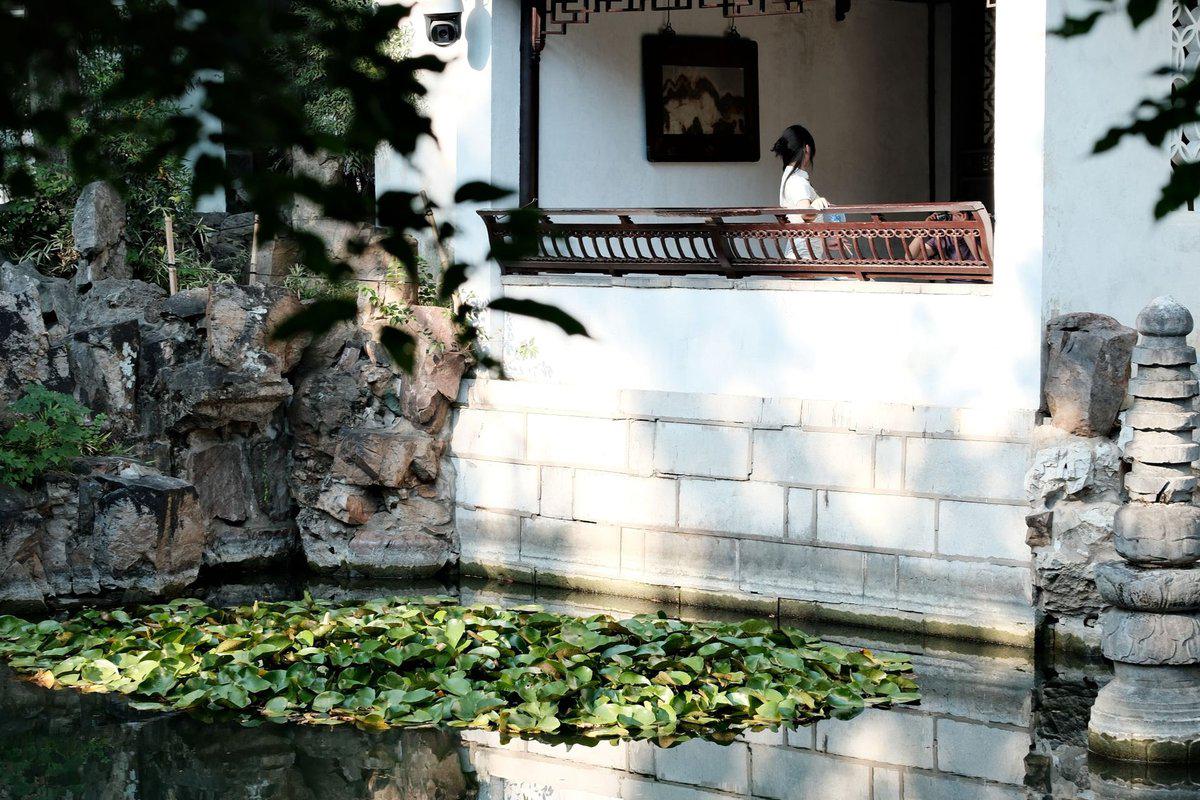
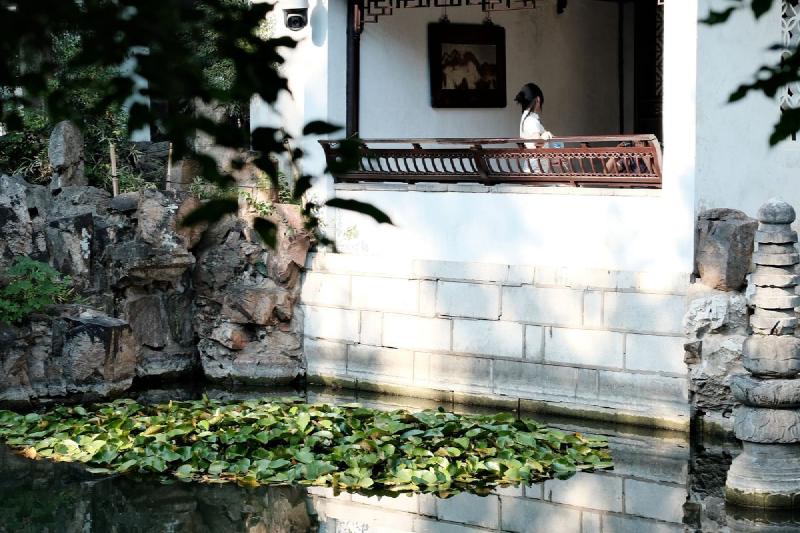
Chinese classical gardens are not merely landscapes — they are three-dimensional paintings, philosophical statements in stone and water, and microcosms of the natural world. Unlike the geometric formalism of French gardens or the pastoral openness of English landscapes, Chinese gardens seek to capture the essence of mountains and rivers in a bounded space, creating an illusion of infinite nature within finite walls.
Philosophical Foundations #
The art of Chinese garden design is deeply rooted in Daoist and Confucian thought. Daoism contributed the ideal of harmony with nature — the garden as a place where humanity recedes and the natural world speaks. Confucianism brought order and symbolism — every rock, plant, and pavilion carries meaning.
The principle of “borrowed scenery” (借景, jiejing) is central: a garden is never self-contained. It reaches outward, framing distant mountains, pagodas, or even the changing seasons as part of its composition. A well-placed window does not just look out — it completes the garden.
Key Elements #
- Rocks (石, shi) — Taihu limestone, eroded by water into fantastical shapes, represents mountains. The more convoluted and perforated the rock, the more prized it is. A single exceptional rock could cost more than a building.
- Water (水, shui) — Ponds, streams, and waterfalls mirror the sky and reflect the surrounding scenery. Water represents the yin, the receptive, the deep stillness at the heart of the garden.
- Plants (植物, zhiwu) — Bamboo for resilience, plum blossom for perseverance in adversity, lotus for purity rising from mud, pine for longevity. Every plant is chosen for what it symbolizes as much as how it looks.
- Architecture (建筑, jianzhu) — Pavilions, covered walkways, and moon gates frame views and provide places to pause. The garden is meant to be experienced, not merely observed — each turn of the path reveals a new composition.
Famous Gardens #
The UNESCO World Heritage gardens of Suzhou represent the pinnacle of the art:
- Humble Administrator’s Garden (拙政园) — The largest and most celebrated, with water covering three-fifths of its area.
- Lingering Garden (留园) — Famous for its exquisite rockeries and long covered walkways.
- Master of the Nets Garden (网师园) — The smallest of the famous gardens, proving that intimacy can be as powerful as grandeur.
The Garden as Art #
A Chinese garden is never finished. It grows, weathers, changes with the seasons, and reveals new views in different light. To understand a Chinese garden is to understand a fundamental Chinese belief: that humans are not separate from nature, but an expression of it. The garden does not conquer the landscape — it listens to it.