
China has had many capitals over its five thousand years of recorded history, but four stand above the rest — cities so layered with history that walking through them is like traveling through time. Each was the seat of power during a golden age, and each tells a different chapter of the Chinese story.
Xi’an: The Beginning #
Known in ancient times as Chang’an (Eternal Peace), Xi’an served as the capital for thirteen dynasties, including the mighty Tang. It was the eastern terminus of the Silk Road and, in the 8th century, the largest city in the world with over a million inhabitants — a cosmopolitan metropolis where Persian merchants, Japanese monks, and Central Asian musicians rubbed shoulders in the markets.
Today, the terracotta warriors of the First Emperor still stand guard outside the city, and the great walls of the Ming Dynasty still encircle the old town. The Muslim Quarter pulses with the aromas of cumin-rubbed lamb skewers and hand-pulled noodles — a culinary legacy of the Silk Road that lives on in every bite.
Luoyang: The Buddhist Heart #
Before Xi’an, there was Luoyang. As the capital of the Eastern Han and the Northern Wei, it was here that Buddhism first took root in China. The Longmen Grottoes — a UNESCO World Heritage site — contain over 100,000 Buddhist statues carved into limestone cliffs along the Yi River. The largest, a seated Vairocana Buddha, towers seventeen meters high, her serene face modeled after the Empress Wu Zetian, the only woman to rule China in her own name.
Nanjing: The Southern Capital #
Nanjing — literally “Southern Capital” — has been the capital of six dynasties. It was here that the Ming Dynasty began before moving north to Beijing. The city’s name evokes both glory and tragedy: the Taiping Rebellion made it their heavenly capital; the 1937 massacre made it a symbol of suffering. Today, its tree-lined boulevards and the purple slopes of Zijin Mountain hold some of China’s most poignant historical sites.
Beijing: The Imperial Pinnacle #
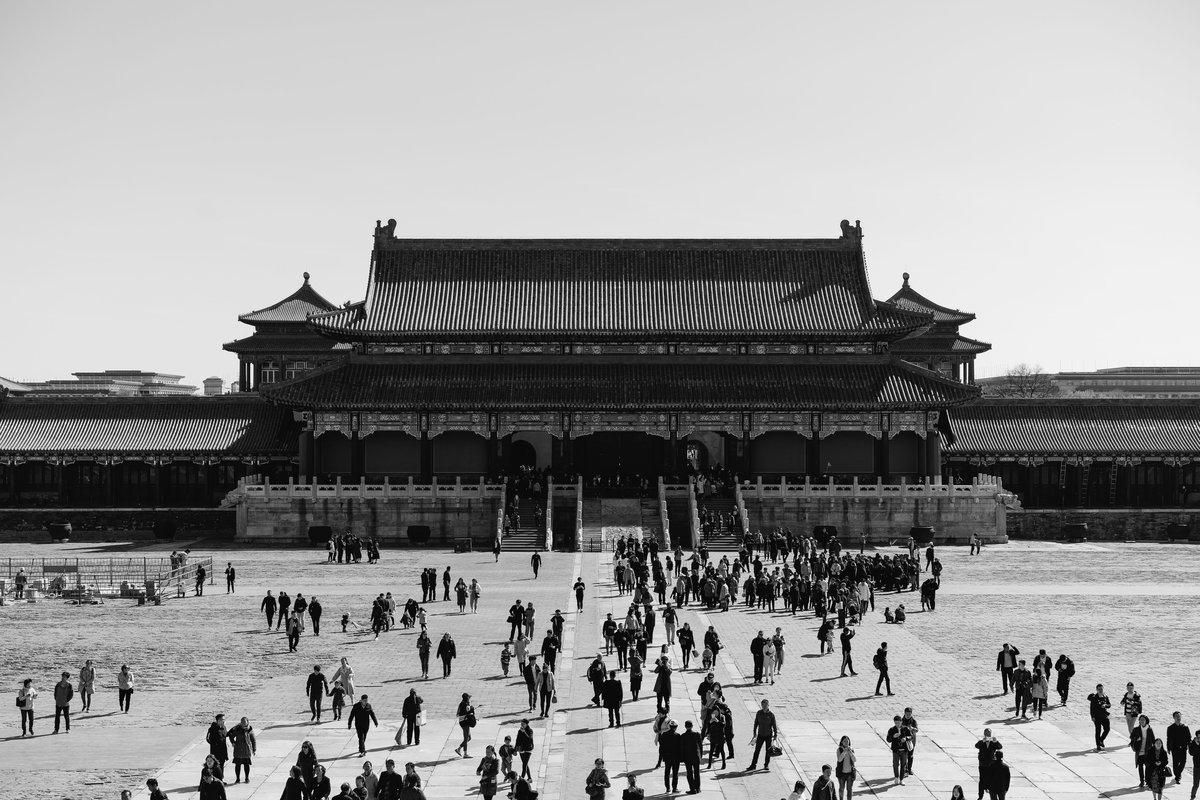
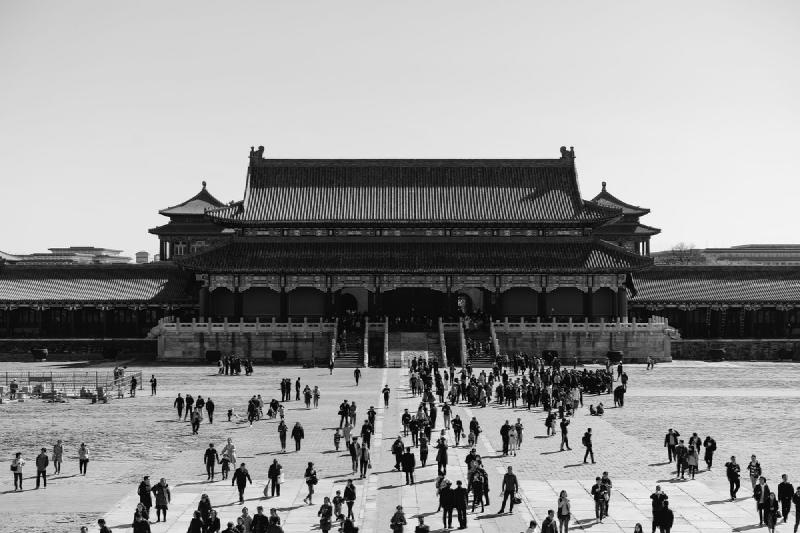
Beijing has been the capital for most of the last 800 years. The Forbidden City — the world’s largest palace complex, with 9,999 rooms — was the home of emperors for five centuries. The Temple of Heaven, where the emperor prayed for good harvests, is a masterpiece of symbolic architecture: round (heaven) altars on square (earth) platforms. To walk from the Forbidden City through Tiananmen to the Temple of Heaven is to trace the axis of imperial power.