
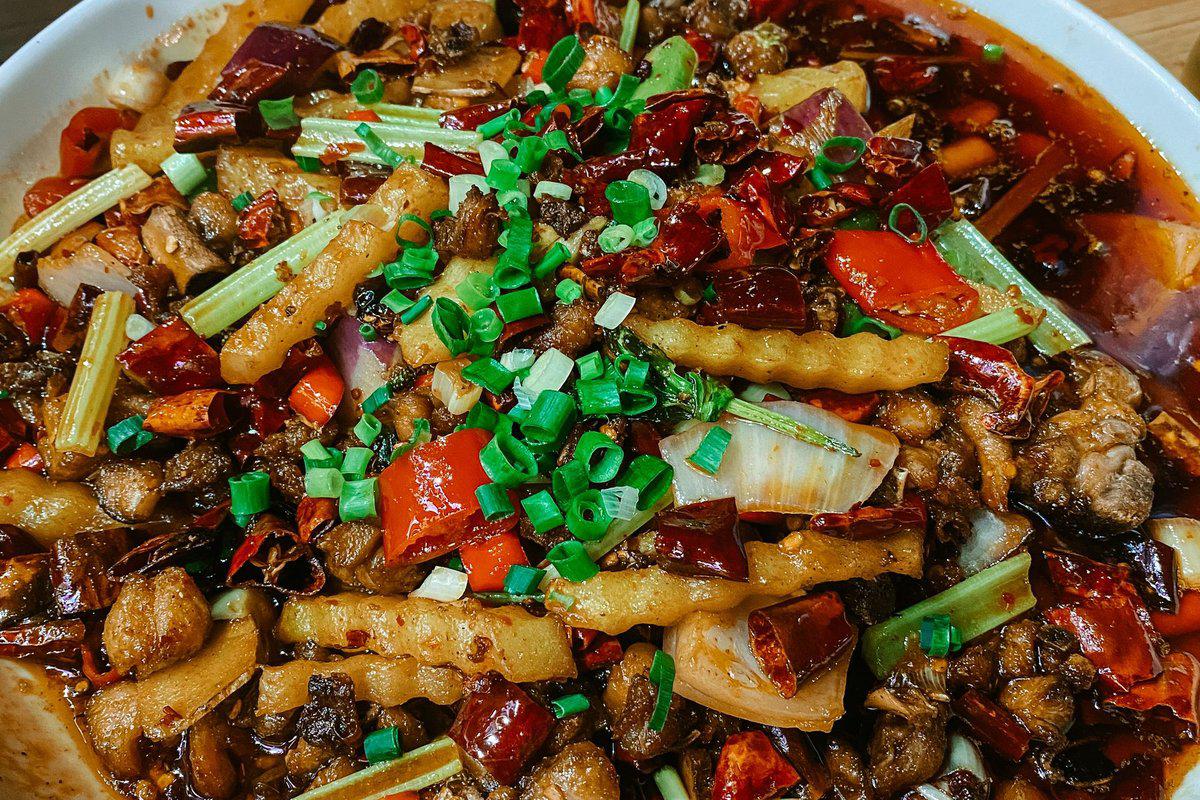
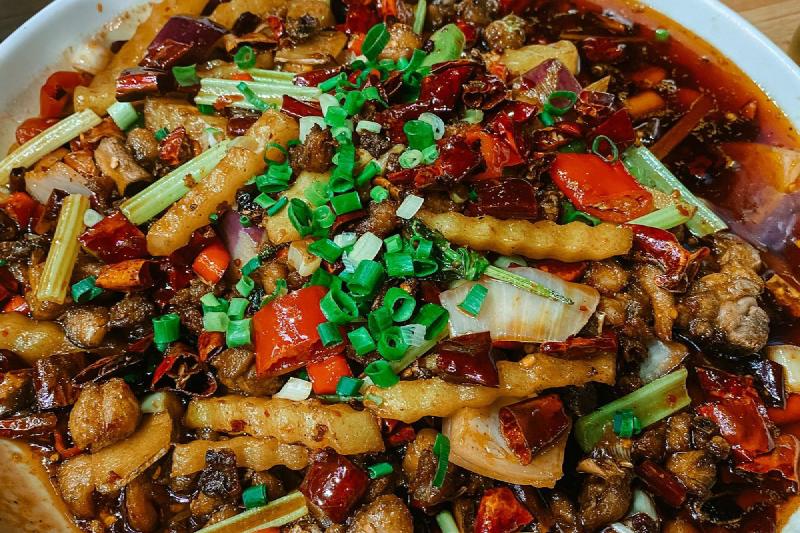
In the depths of a Beijing winter, with temperatures below freezing, there is one thing that draws people together: a copper pot of boiling broth, slices of paper-thin lamb, and the slow, happy ritual of cooking your own food at the table. This is hotpot (huoguo), literally “fire pot” — the most social meal in Chinese culture.
A Thousand-Year Tradition #
Hotpot has ancient roots. Archaeological evidence suggests communal boiling pots were used as early as the Zhou Dynasty. By the Yuan Dynasty, Mongolian horsemen would cook mutton slices in their helmets over campfires. The dish evolved over centuries into the elaborate culture we know today.
Regional Styles #
Like everything in Chinese cuisine, hotpot varies dramatically by region. Beijing-style uses a classic copper pot with a central chimney — the broth simple, the focus entirely on the quality of the lamb. Sichuan-Chongqing-style is a cauldron of bubbling red oil packed with dried chilies and Sichuan peppercorns — not for the faint of heart.
Cantonese-style features a delicate, clear broth focused on fresh seafood. Yunnan-style is a mushroom lover’s paradise, using wild fungi that grow nowhere else on Earth.
The Ritual #
The pot sits at the center — shared warmth and transformation. Everyone participates: choosing, dipping, cooking, retrieving. There is no head of the table — the pot is democratic.
The dipping sauce is where individuality expresses itself. Each diner mixes their own from sesame paste, soy sauce, vinegar, garlic, scallions, cilantro, chili oil, and fermented tofu. A good sauce is the signature of experience.
And the grand finale: when the broth has absorbed the essence of everything cooked in it, noodles are added to create a final soup containing the memory of the entire meal.